As heating returns and windows close, dark stains and paint blisters reappear in many French homes. Before rushing to grab a paint can, it's worth understanding what's behind these signs, because repainting without treating the cause only delays the problem by a few weeks.
Why autumn reveals humidity problems
Heating and closed windows change everything
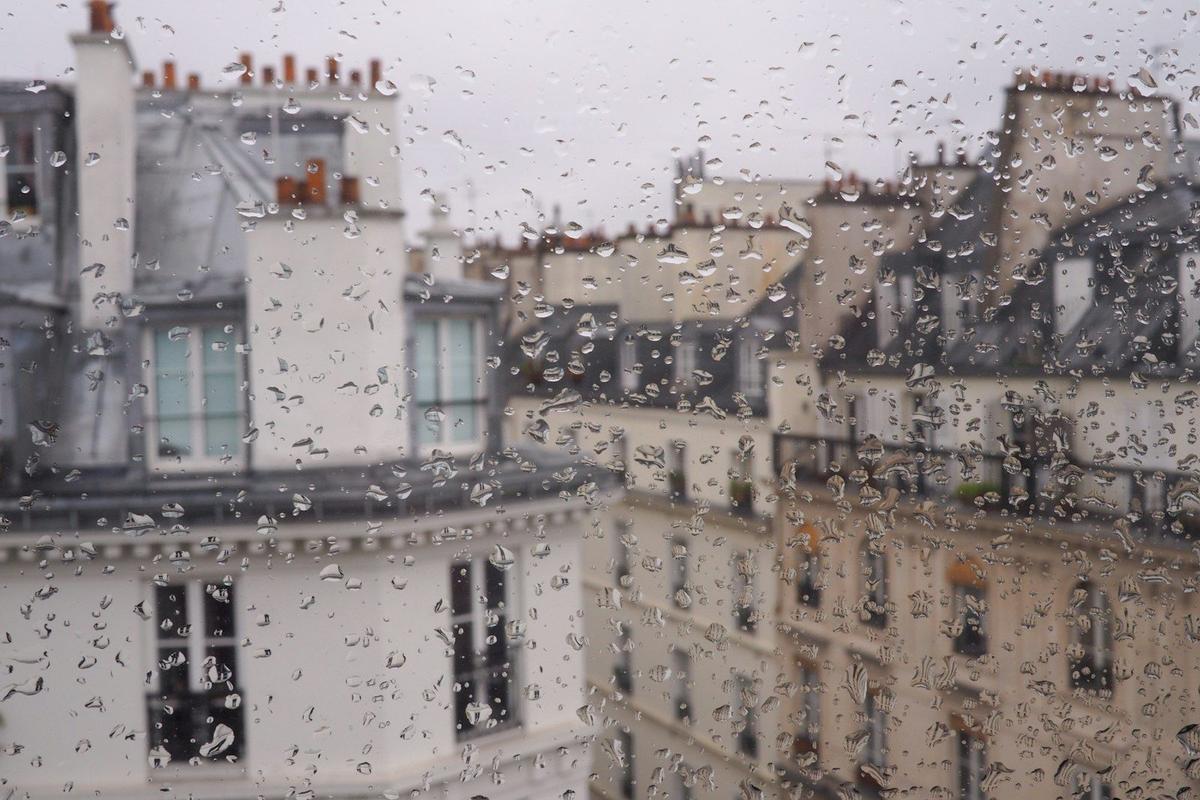
As soon as temperatures drop, habits shift: windows closed, heating on, laundry drying indoors. Warm air laden with water vapor then meets cold surfaces, and the phenomenon appears when warm, moisture-laden air touches a cold surface, like a window pane, and falls below its dew point1. It's the exact same mechanism affecting corner walls or poorly insulated zones.
A simple threshold to monitor
Building professionals agree on a reference range for indoor air. ADEME recommends maintaining indoor humidity between 40% and 60%, and notes that condensation on windows can signal insufficient ventilation. An inexpensive hygrometer lets you track this by room rather than guessing.
Distinguishing condensation, infiltration, and rising damp
Not all stains tell the same story, and treatment (and thus wall preparation before painting) differs by cause.
- Condensation: diffuse stains near windows, in high corners or behind furniture against an exterior wall, especially visible in the morning.
- Infiltration: localized stains on an exterior wall, worsening after rain, often linked to faulty roofing, facade, or gutters.
- Rising damp: moisture at the base of walls, often accompanied by white efflorescence, common in older homes without capillary breaks.
This amateur diagnosis has limits. When the affected area exceeds a modest surface or stains return despite cleaning and good ventilation, a professional opinion is the best option to identify the real source before undertaking any painting work. Our article on recognizing humidity signs2 details these indicators in depth.
Verify ventilation before picking up a brush
The often-overlooked mechanical ventilation reflex
In a home equipped with one, mechanical ventilation control plays a central role in combating ambient humidity. Mechanical ventilation remains the most effective solution for fighting humidity and preventing mold, and unlike opening windows, it works continuously to remove stale air from wet rooms. A simple test exists to verify it's working properly.
The paper sheet test
This check requires no special tools:
- Hold a thin sheet of paper near the extraction opening (bathroom, kitchen, WC).
- If the paper stays stuck by suction, the extraction is working correctly.
- If it falls, the openings are probably clogged or the motor is faulty.
Regular maintenance prevents these silent failures. Recommendations vary by installation type:
| Maintenance task | Recommended frequency | Who handles it |
|---|---|---|
| Cleaning extraction openings | Every 3 months | Occupant |
| Dusting air inlets | Every 3 months | Occupant |
| Changing filters (dual-flow) | 1 - 2 times per year | Occupant |
| Full control of unit and airflow rates | Every 3 years or so | Professional |
Air out, even when it's cold
Even with properly functioning ventilation, manual aeration remains useful. ADEME recommends opening windows wide for 5 to 10 minutes daily, including in winter, to complement continuous effective ventilation. This simple step prevents moisture-laden air from stagnating against cold walls overnight.
Properly preparing a surface affected by humidity
Repainting over an active stain solves nothing and may even worsen the appearance within weeks. A few useful reference points before any repainting:
- Never apply paint until the surface is completely dry and the cause of humidity has been treated.
- Clean and treat the affected area before considering a fresh coat.
- Let it dry long enough, especially in autumn when the air is already moisture-laden.
- Then use paints or plasters suited to humid rooms, especially in bathrooms and kitchens.
For more severe cases (blisters, plaster peeling, persistent odor), having a professional assess the extent of damage before proposing a lasting solution is often more cost-effective than repeated unsuccessful cleaning attempts. Options for plasters and paints suited to these situations are also covered in our article on solutions for fragile walls and ceilings3.
What to remember before starting work
Before contacting a painter for a humidity-affected room, here's the order of priorities to follow:
- Measure the room's humidity level with a hygrometer over several days.
- Identify the likely cause (condensation, infiltration, or rising damp).
- Check and, if necessary, have ventilation or the existing system serviced.
- Request a painting quote only after the cause has been treated or clearly identified.
On our platform, a per-square-meter quote remains indicative at this stage: two rooms of the same size can have very different conditions depending on cracks, degraded plaster, or residual humidity. The final price can only be confirmed after real assessment of the surfaces, whether via photos and videos or during an on-site visit - both work the same way. This is why we systematically request photos and videos of surfaces before finalizing a quote, to avoid surprises mid-project. Once the professional has reviewed the work, project details remain visible online for the client, painter, and platform, preventing misunderstandings about what was agreed.
Frequently Asked Questions
No, it's not recommended. Paint applied over active mold only temporarily masks the problem, which usually reappears within weeks, sometimes more noticeably than before.
The generally accepted reference sits between 40% and 60% relative humidity. Beyond this threshold for extended periods, the risk of condensation and mold increases significantly, especially in poorly ventilated rooms.
Condensation mainly affects corners, windows, and poorly ventilated areas, with diffuse stains visible in the morning. Infiltration is typically spotted on a specific exterior wall, with clear worsening after rain.
Yes, regular maintenance of openings and air inlets prevents invisible performance drops. Clogged ventilation can allow humidity to gradually settle even in a home that looks clean and well-maintained.
If stains cover a large area, return after several cleaning attempts, or come with a persistent odor, a professional opinion is preferable. This identifies the true cause before undertaking painting work that won't last over time.

Ready to paint?
Get free quotes from verified local painters in minutes. No commitment.
Sources
External sources open in a new tab.