In an old apartment, color is never chosen randomly from a paint chip at the store. Window orientation, ceiling height, the presence of moldings or woodwork completely change how the same shade looks from one home to another. Before placing an order, it is better to understand what truly influences the final result on your walls.
How your room's light transforms a color
Orientation: the first criterion to observe
Before even thinking about shade, you must look at where the light enters. Window orientation determines the temperature of the light received, and therefore which color families will or won't work. A room overlooking a Parisian courtyard does not receive the same light as a living room facing south in Nice or Toulouse.
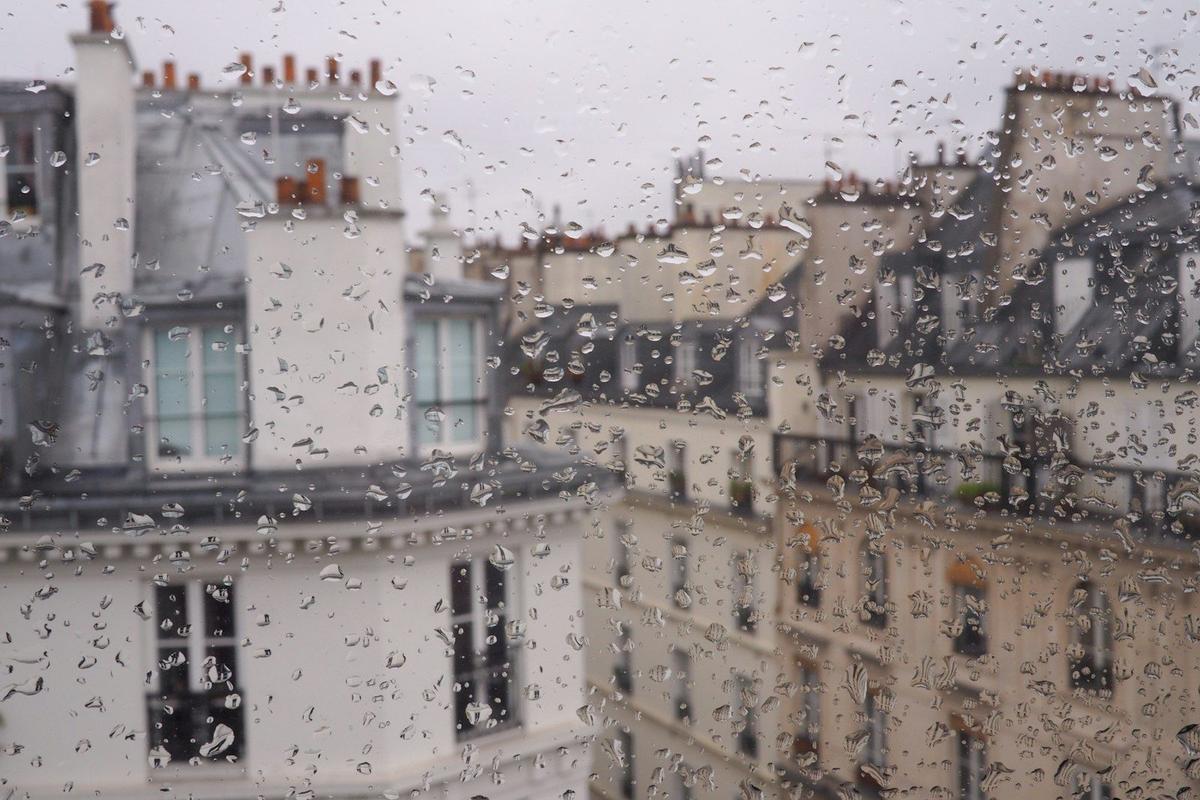
- North-facing: north receives cool, bluish, constant light without direct sun. This is typical of many Haussmann-style apartments overlooking courtyards, often advised to be warmed rather than cooled by color choice.
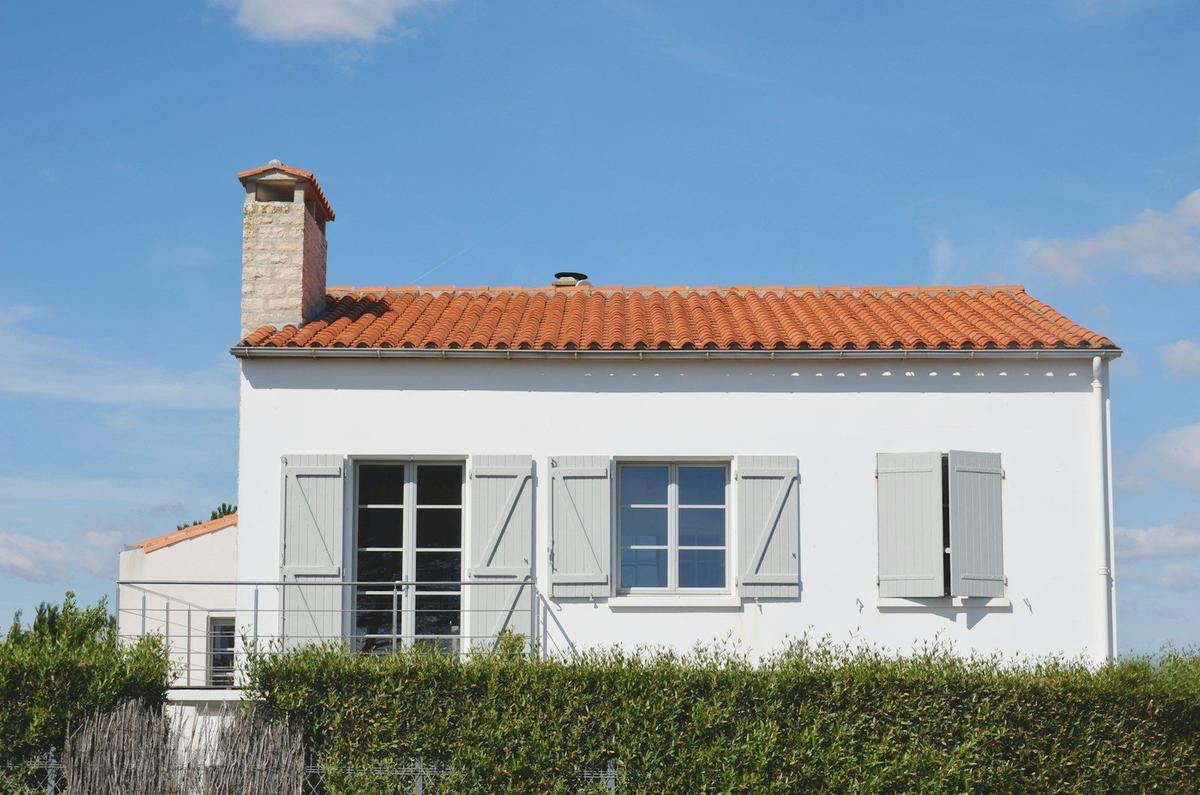
- South-facing: south receives warm, direct, and abundant light throughout the day. This is the most permissive orientation, accepting all shades, including the boldest and darkest.
- East and west: changing light depending on the time of day, best tested before confirming a final choice.
Why the same shade appears different from wall to wall
A south-facing room is bathed in warm, changing light that saturates shades and can make a bright yellow or terracotta chosen at the store under neutral lighting look harsh.1 This is why it is useful to test a sample directly on the wall in question at different times of day before confirming the quantity of paint to order. For living spaces, our article on choosing color and finish room by room2 details this logic space by space.
Finishes: matte, satin, or velvet depending on the surface
What each finish truly brings
Finish choice matters as much as color choice, especially on old walls that often have minor irregularities. Three families dominate the French market:
| Finish | Effect on light | Best use |
|---|---|---|
| Matte | Absorbs light, hides small flaws | Ceilings, bedrooms, low-traffic rooms |
| Velvet | Slightly lustrous, lasting compromise | Living rooms, hallways, walls with some imperfections |
| Satin | Reflects light, well-prepared surface required | Woodwork, kitchens, bathrooms |
Matte paint has no sheen, while velvet offers a slightly powdered finish and greater durability while remaining subtle. Conversely, satin finish tends to reveal every irregularity of an old wall if preparation has not been careful.
The particular case of moldings and cornices
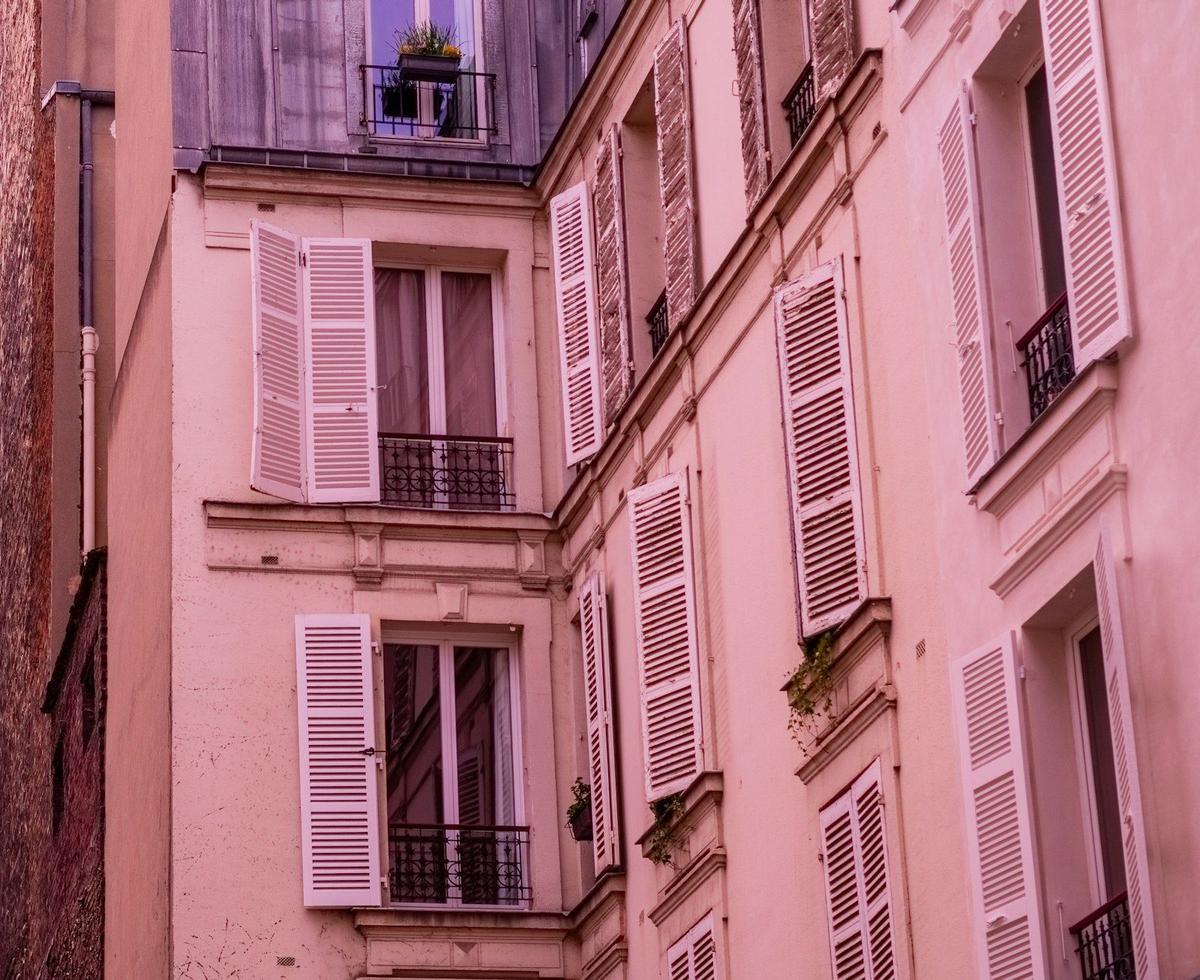
In Haussmann buildings or old apartments with plaster moldings, the question often arises: should moldings be painted the same shade as the wall, or made to stand out in white? Both approaches coexist today in Parisian renovations: some interior architects paint moldings and wall in an identical shade to unify the surface, a tone-on-tone approach favored by professionals working in the Haussmann stock to modernize without spoiling3, while others prefer to keep the classic white-on-color contrast to highlight the sculptural relief. Our dedicated article on colors and finishes for a Haussmann apartment4 goes into more detail on these choices.
Trends to know in 2026 before choosing
Warmer and more assertive shades
2026 paint charts mark a clear shift. Color preferences have evolved, moving away from cool and minimalist shades to embrace warmer and deeper palettes. Inspiration often comes from nature, and bright, saturated colors give way to more earthy and calming tones.5 In Parisian apartments in particular, the trend toward desaturated greens is very popular in recently renovated Haussmann apartments.
What works well in an old interior
- Sage and mineral greens, which pair well with old hardwood and light woodwork
- Ochres and terracottas, particularly suited to north-facing rooms that lack natural warmth
- Deep blues as an accent, reserved for well-lit rooms or bedrooms seeking a cozy atmosphere
Moving from choice to order: what to verify before painting
Once color and finish are settled, several practical points prevent unwelcome surprises:
- Ask for an opinion on the actual condition of the walls. A quote per m² always remains indicative, as two surfaces of the same size may hide cracks, moisture marks, or degraded plaster that change the prep work. The final price can only be confirmed after assessing the actual condition of surfaces, whether through photos and videos or during a site visit - both work the same way. On our platform, photos and videos of surfaces are systematically requested before closing a quote, precisely to avoid surprises during the project.
- Verify the professional's registration. A reliable painter must be properly registered with a valid SIRET number; on our platform, this check is performed before a professional is even offered as an option.
- Keep a written record of the agreed scope. Colors, finishes, rooms involved, type of paint chosen: on our platform, these details remain visible online to the client, the professional, and the platform, which avoids misunderstandings during work.
- Think about timing. Certain dark colors or velvet finishes require multiple coats and longer drying time, something to plan for especially in autumn or winter.
Frequently Asked Questions
Favor warm shades such as soft ochres, light terracottas, or rosy beiges, which compensate for the cool, bluish light typical of this orientation. Avoid blues or grays that are too cold and would intensify this feeling. A velvet finish also helps soften the result.
Both approaches are valid today: tone-on-tone gives a more contemporary and refined look, while classic white contrast highlights the sculptural relief. The choice depends mainly on the style sought and the condition of the moldings.
It depends on the surface and the product chosen, but dark shades generally require more coats than white or light beige to achieve uniform coverage. A professional can assess precisely the number of passes needed after seeing the wall's condition.
Not really: satin finish reflects light and tends to reveal small flaws in an old surface. A matte or velvet finish is generally more forgiving in this case.
Spring and autumn generally offer more stable humidity and temperature conditions for drying, but interior work can take place year-round with proper ventilation. The choice mainly depends on the availability of the property and the professional.

Ready to paint?
Get free quotes from verified local painters in minutes. No commitment.
Sources
External sources open in a new tab.
- Quelle couleur choisir selon l'exposition de votre pièce ?madeco-magazine.fr
- Peinture intérieure : bien choisir couleur et finition pièce par piècemyfixio.fr
- Appartement style haussmannien : les codes déco à maîtriser chez soi - Immopediaimmopedia.fr
- Couleurs et finitions pour un appartement haussmannienmyfixio.fr
- Peinture et rénovation : les tendances qui séduisent en 2026weareonline.fr