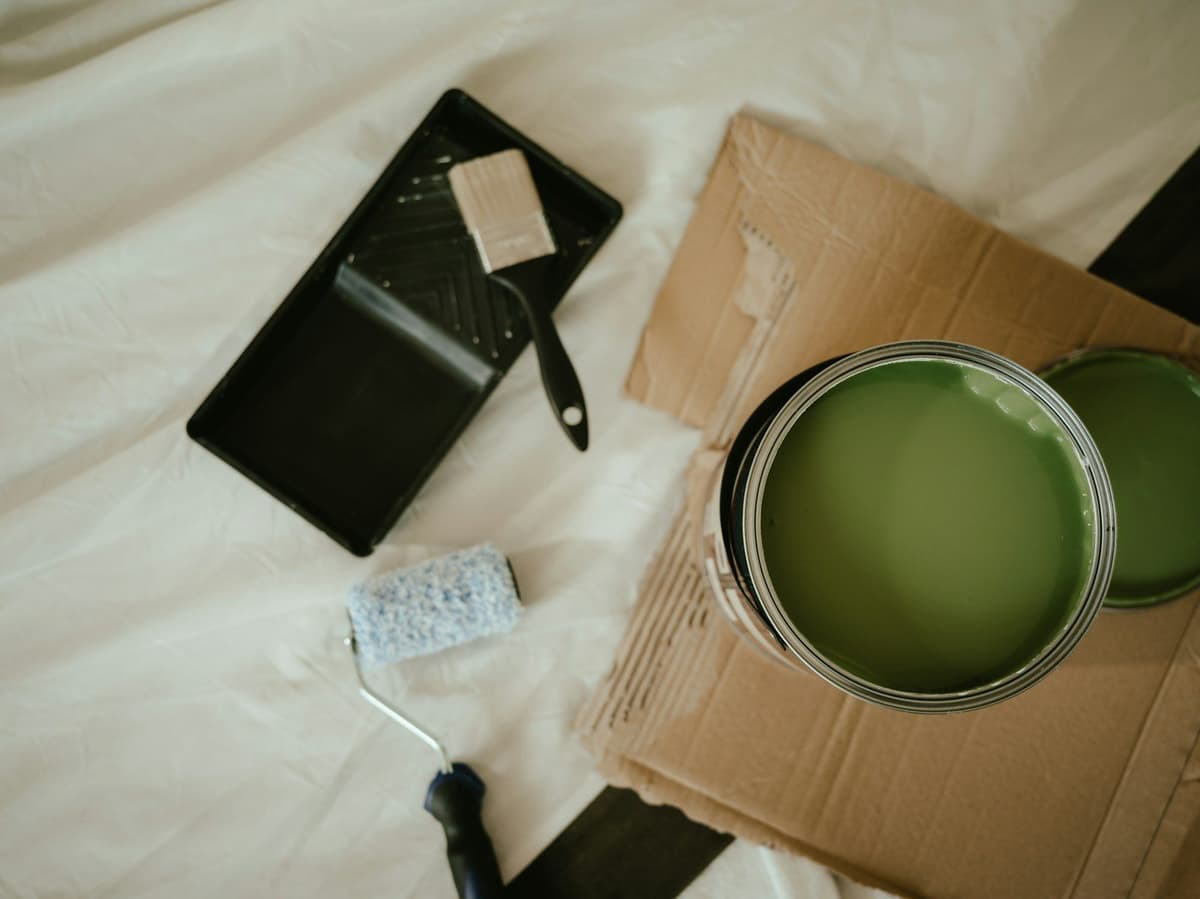
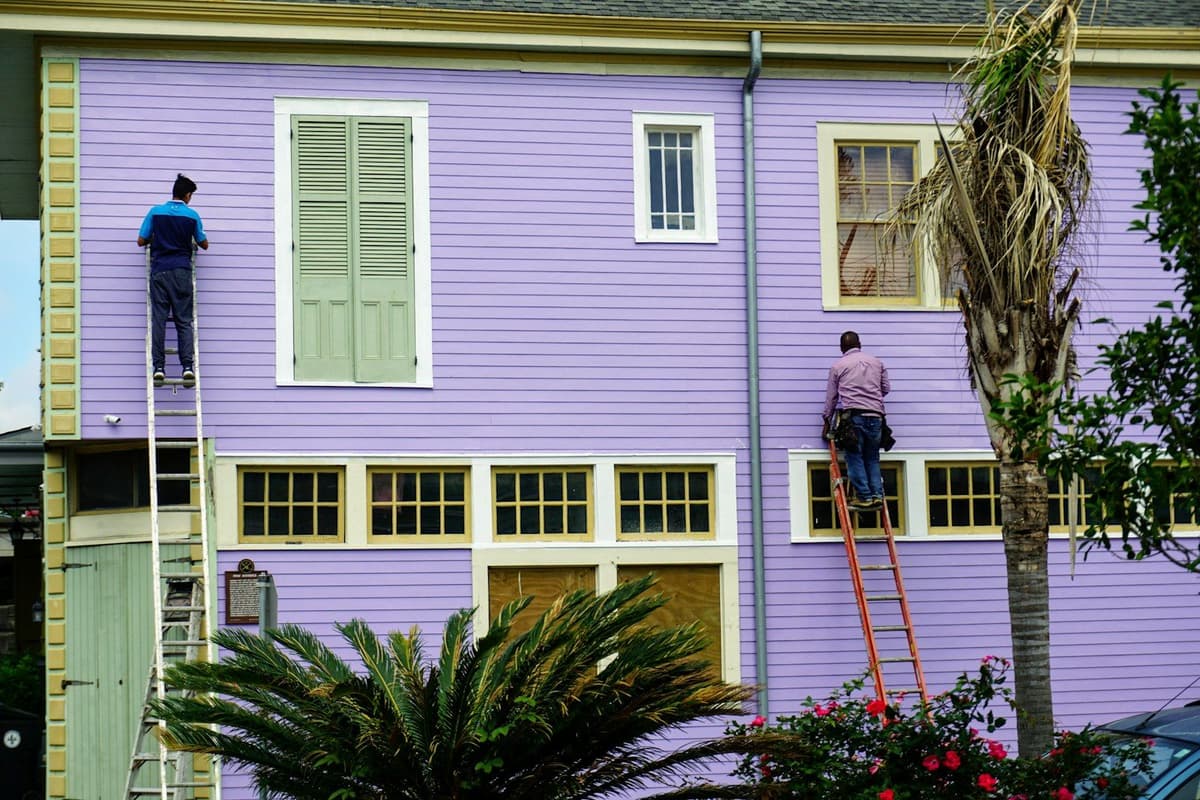
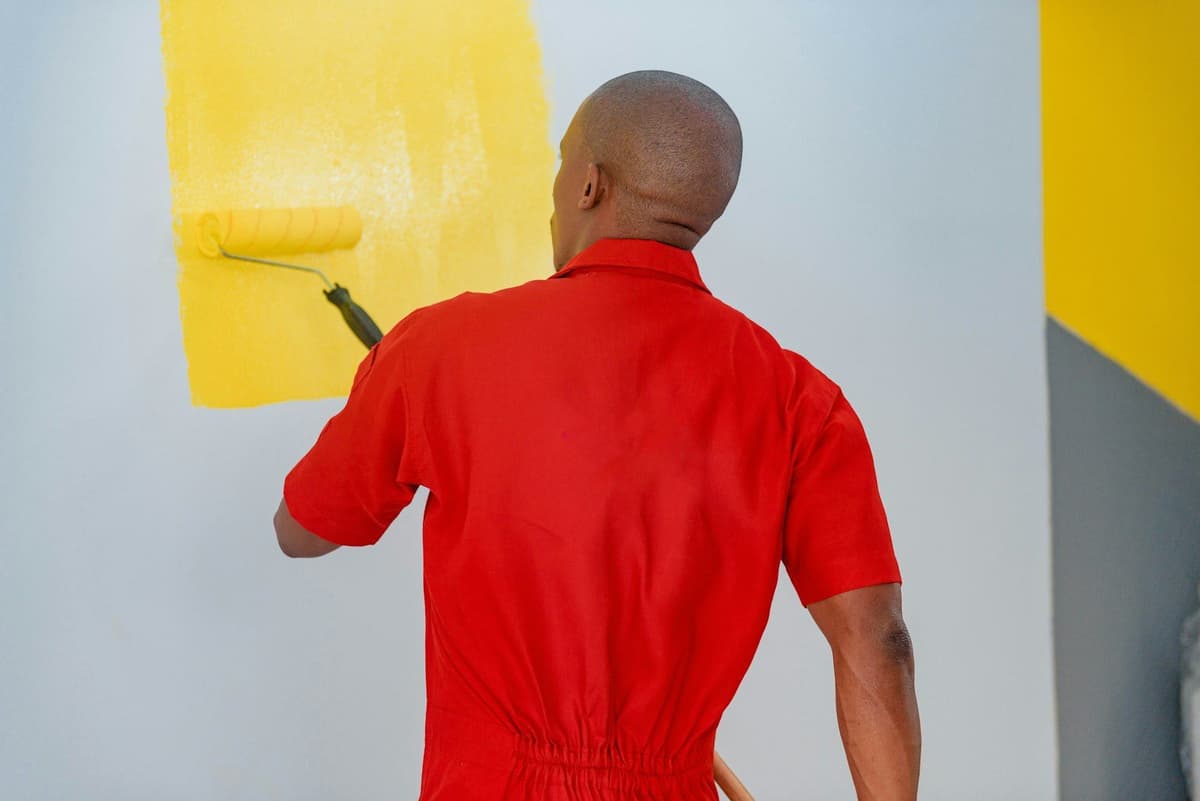
Painting a facade is not just about choosing a colour and picking up a roller. Timing matters as much as preparation. For paint to dry properly, you need moderate temperatures and low humidity levels, weather conditions that are essential for achieving a smooth and correct finish. In France, the climate varies considerably from one region to another, which affects the ideal period for refreshing your exterior walls.
Temperature ranges for successful application
The recommended temperature range for exterior painting is generally between 10 and 25 °C. Below or above these values, risks increase: paint applied in cold weather can become viscous and difficult to spread evenly, while excessive heat accelerates drying to the point of causing cracks or peeling.
But air temperature alone is not enough. The temperature of the surface itself plays an equally important role. A wall exposed in direct sunlight can heat well beyond the ambient temperature, which prevents the paint from adhering properly. For this reason, it is advisable to follow the sun's path in reverse: always paint a facade in the shade, which allows the paint to spread without thermal stress.
If you are planning to paint in spring or early autumn, check the forecast for the next 48 hours, including overnight temperatures. A mild day followed by a freezing night can compromise drying and freeze the paint film before it has properly hardened.
Spring and autumn: the benchmark seasons in most French regions
In mainland France, the most favourable periods are generally spring (April to June) and early autumn (September to October), seasons that offer mild temperatures, moderate humidity and smaller daily temperature swings than summer or winter.1
Spring benefits from lengthening days, leaving more time to make progress on the work. Temperatures are most often between 12 and 20 °C, and humidity remains moderate. It is the time to take advantage of stable weather to apply a primer and two finish coats without precipitation.
Early autumn, between mid-September and mid-October, also offers a very interesting window. The intense summer heat has passed, the atmosphere is generally dry, and the risk of sudden showers decreases. This period allows good paint adhesion, gradual drying and durable finishes, on both render and wood surfaces.
Adapting the calendar to local climate: Brittany, the North and the Atlantic coast
Not all French regions present the same climatic constraints. In the North, around Lille or Roubaix, climatic conditions are often changeable: with frequent rain, temperature fluctuations and prolonged periods of humidity, facades deteriorate faster than in other regions.2 It is therefore preferable to take advantage of anticyclonic periods in May-June or September, when rainfall takes a break.
In Brittany and the Loire region, the oceanic climate imposes its own rules. High rainfall and near-permanent humidity favour the development of moss and algae on facades, especially those facing north. On the Atlantic coast, sea-salt laden air attacks coatings and accelerates their ageing. In these areas, it is better to prioritise breathable paints and take advantage of stable weather windows in late spring or very early autumn.
Further south, in cities like Toulouse, Marseille or Nice, summers become increasingly hot and bright. Painting in the middle of summer is still possible, but you must then work early in the morning or late afternoon, when the sun no longer strikes the walls directly. As soon as the temperature exceeds 30 °C, the risk of too-rapid drying increases, which causes roller marks and poor film uniformity.
Preparing your project: inspection, cleaning and choosing the right product
Before bringing out the brushes, a thorough inspection of the facade is essential. Look for cracks, moisture marks, peeling areas or damaged joints. Cleaning with soapy water or a high-pressure washer (at low intensity to avoid damaging the render) removes dust, moss and pollutants that would prevent the paint from adhering.
The choice of paint depends on the type of surface and your home's exposure. Acrylic or resin-based paints offer good protection against UV and temperature fluctuations. For cracked surfaces, an elastic paint based on elastomeric resin allows bridging of microcracks and adaptation to substrate movement during thermal cycles.
Remember that when obtaining a quote, the per-square-metre price remains indicative. Two facades of the same size can present very different conditions: one may be sound, the other cracked, damp or covered in moss. The final price can only be confirmed after assessing the actual condition of the surfaces. On our platform, we always request photos and videos of the walls before finalising a quote, precisely to avoid unpleasant surprises during the work.
Organising the work and checking weather conditions through to completion
Once the right time slot is identified, allow for a minimum of 48 hours without rain after the last coat is applied. Paint needs several days to cure completely. If dew forms the following night, evaporation of the water contained in the paint may be slowed, compromising long-term durability.
Protect fragile items (plants, garden furniture, window frames) and fill cracks immediately before applying the primer. Proper preparation ensures durable paint and a uniform finish, whether you live in Paris, Lyon, Bordeaux or Strasbourg.
To succeed with facade painting in France, the choice of season rests on three pillars: temperatures between 10 and 25 °C, moderate humidity and stable weather for several days. By taking into account the specific climate of your region and planning your work in spring or early autumn, you maximise your chances of achieving a flawless finish that will protect your walls for years to come.
Ready to paint?
Get free quotes from verified local painters in minutes. No commitment.
Sources
External sources open in a new tab.