Repainting a wall seems simple at first glance. Yet an interior painting project can quickly disappoint when you neglect certain steps or apply poor technique. Preparation represents an essential part of the total work, and a poorly prepared wall will deliver disappointing results, even with the best paint on the market1. Fortunately, most mistakes are avoidable with a little method.
Neglecting surface preparation
Preparation determines everything that follows. 80% of interior painting mistakes happen before you even open the paint tin2. A dirty, greasy, or dusty wall will prevent paint from adhering properly. Cracks and holes that aren't filled correctly will reappear under the new color, and old flaking layers will create unsightly ridges.
Before any application, wash your walls to remove dust, grease, and residue. Fill holes with suitable filler, let it dry, then sand the repaired areas to achieve a flat surface. A well-sanded wall offers a smooth finish, guaranteeing quality and durability, while neglecting this step can lead to visible defects. In a Parisian apartment with period moldings or a Lyon house with high ceilings, this phase determines the entire final result.
Skipping the primer or choosing the wrong one
Many homeowners skip the primer to save time or reduce costs. This is a costly mistake. The primer acts as an invisible foundation: it evens out absorption and blocks bright underlying colors, and without it, a white will look ghostly over a dark blue wall3.
The primer also improves the adhesion of finish paint and reduces the number of coats needed. The key is quality surface preparation (priming, filling) that determines the final result. Choose a primer suited to your surface - standard acrylic for dry rooms, special moisture-resistant for a bathroom in Marseille or a kitchen in Bordeaux, stain-blocking if you're covering old water marks.
Using poor quality tools
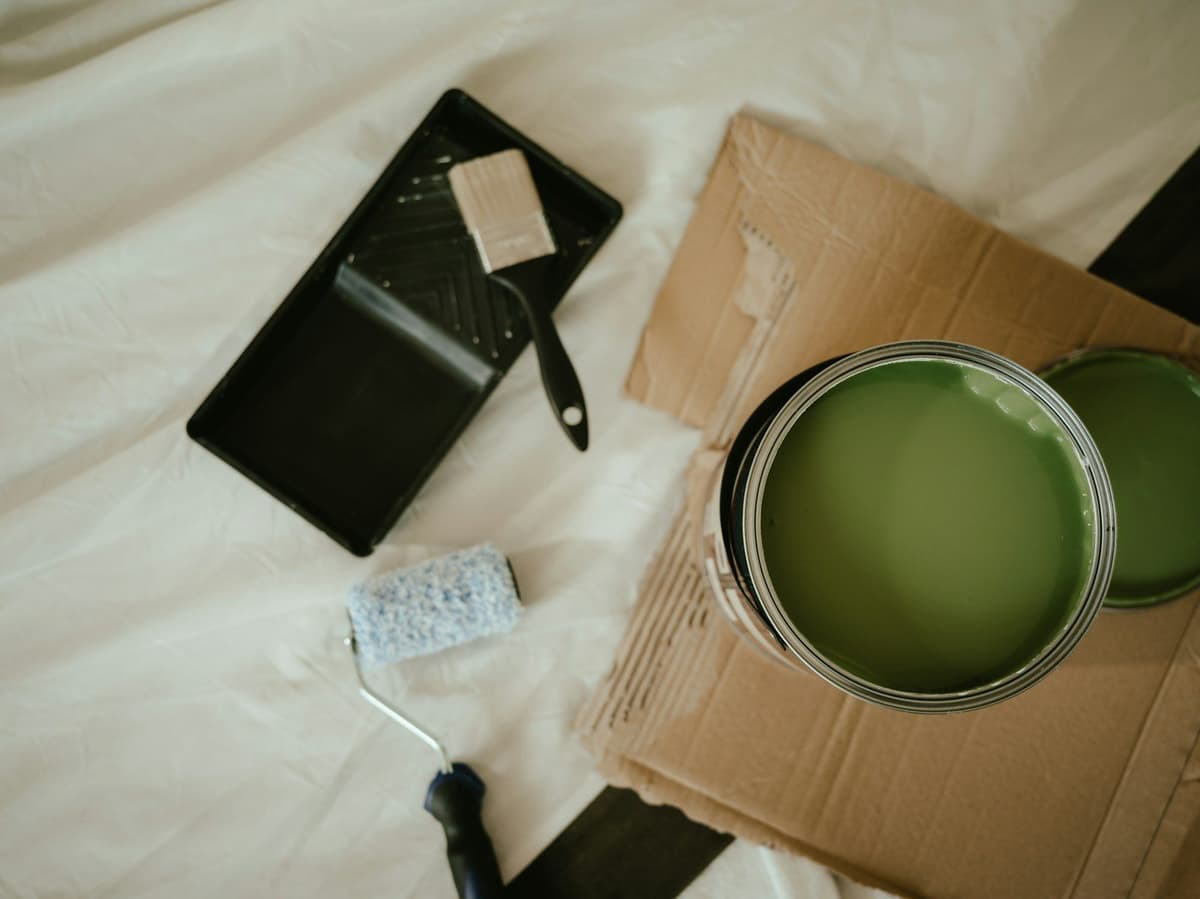
A cheap roller sheds fibers, leaves streaks, and absorbs too much paint. A stiff or poorly cut brush creates visible marks in corners. Tool choice directly influences the finish. Invest in a roller with pile suited to your finish (mid-length pile for matte paint, short pile for satin) and quality trim brushes.
Also prepare a paint tray with a grid to properly load the roller without excess. Professionals recommend starting by soaking the roller in paint without excess, then removing surplus on the grid. A roller that's too loaded causes runs and thick spots, while one that's too dry leaves overlap marks.
Applying paint without method
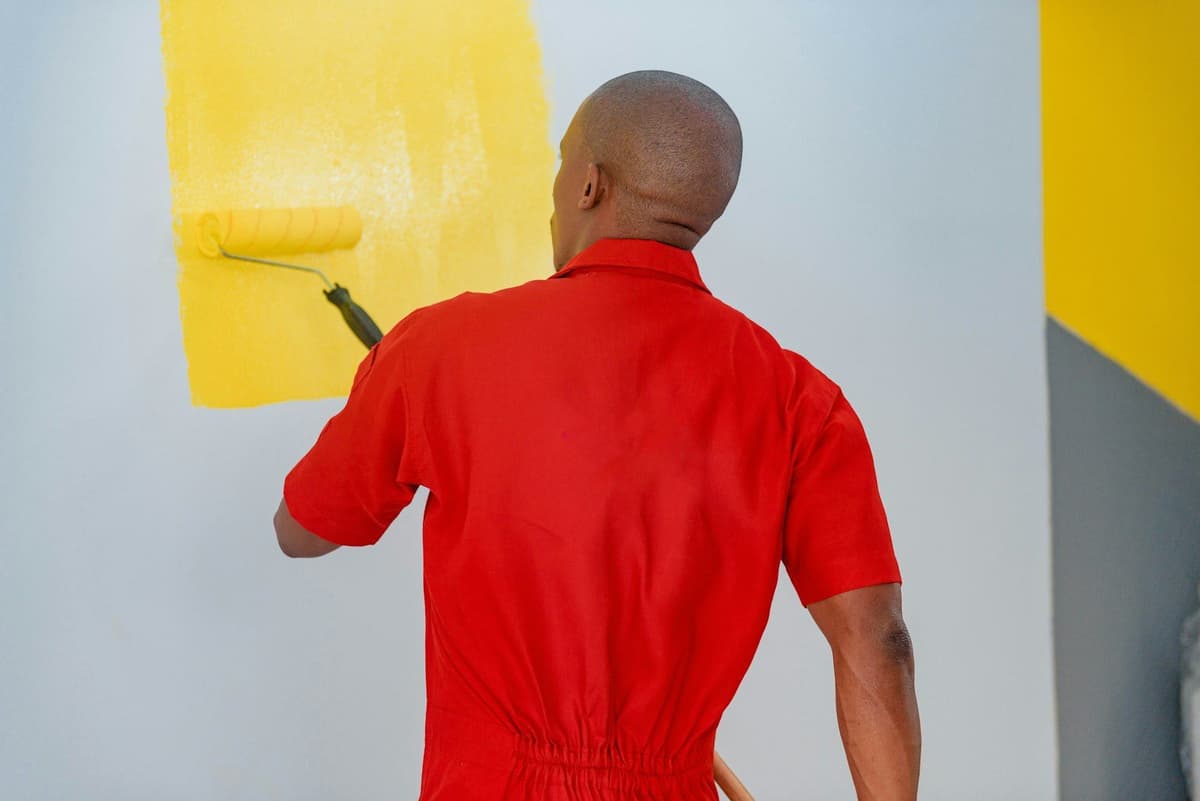
Random application produces uneven results. To avoid streaks, work in crossing passes. Start at the top of the wall, working zone by zone (approximately 1 m²) and in crossing passes (first a vertical layer then a horizontal one), and overlap edges when moving from one zone to another to avoid sharp demarcation.
First cut in the corners, baseboards, and areas around switches with a brush (the "trim"), then roll the large surfaces before these trimmed areas dry completely. This sequence guarantees invisible seams. In Lille or Toulouse, in a studio or townhouse, the technique remains the same.
Ignoring ambient conditions
Painting in temperatures that are too cold, too hot, or too humid disrupts drying and compromises results. High humidity can prolong drying time and affect the finish, and extreme temperatures mean you should avoid painting in very hot or very cold weather. Ideally, room temperature should be between 18°C and 25°C, with moderate relative humidity, and ensure good ventilation during and after application to promote drying.
Avoid painting in direct sunlight on an exposed wall, as the paint dries too quickly and leaves overlap marks. In winter in Strasbourg or summer in Nice, adjust your schedule to your home's conditions.
Economizing on paint quantity or number of coats
Buying too little paint forces you to purchase more mid-project, risking a slight color difference in the new can. Conversely, applying just one coat to "save money" leaves the old color showing through and reduces durability. A single coat can leave transparent areas, multiple coats ensure better resistance over time, and you must respect drying times between each coat for optimal finish.
Calculate the surface area to paint correctly, accounting for ceiling height (often 2.50 m, sometimes up to 3.50 m in Haussmann buildings). Plan for two finish coats after primer, and respect the drying time indicated on the can before applying the roller again.
Not protecting the room sufficiently
Splatters happen, even with controlled technique. A frequent mistake is failing to protect adjacent surfaces, as paint splatters can easily damage furniture and floors. Tape the floor with thick protection (thin cardboard isn't enough), cover furniture you can't move, and apply masking tape to baseboards, door frames, and the ceiling line.
Remove this tape when paint is still slightly tacky to prevent it from tearing away. A well-protected project in an apartment in Rennes or a house in Nantes will save you hours of cleanup and costly damage.
Take time for lasting results
A successful painting project depends as much on patience as on technique. By properly preparing your surfaces, choosing the right tools, following application steps and drying times, you'll achieve a professional finish that lasts for years. If you're uncertain about mastering all these steps, our platform connects you with qualified painters throughout France. Every professional is verified (SIRET validated before presentation), and you can share photos and videos of your walls to get an accurate quote before committing. Payment is split into two parts (50% upfront to reserve the date and buy materials, 50% at the end after work verification), and all project details remain accessible online for you, the professional, and the platform.

Ready to paint?
Get free quotes from verified local painters in minutes. No commitment.
Sources
External sources open in a new tab.
- Comment peinturer une pièce comme un pro en 2026 - Immo Ninjaimmo-ninja.fr
- Évitez les 3 erreurs courantes en peinture murale intérieure 2026separateur-de-piece.fr
- Erreurs à éviter quand on peint l'intérieur de sa maisontrouverunbonpeintre.fr