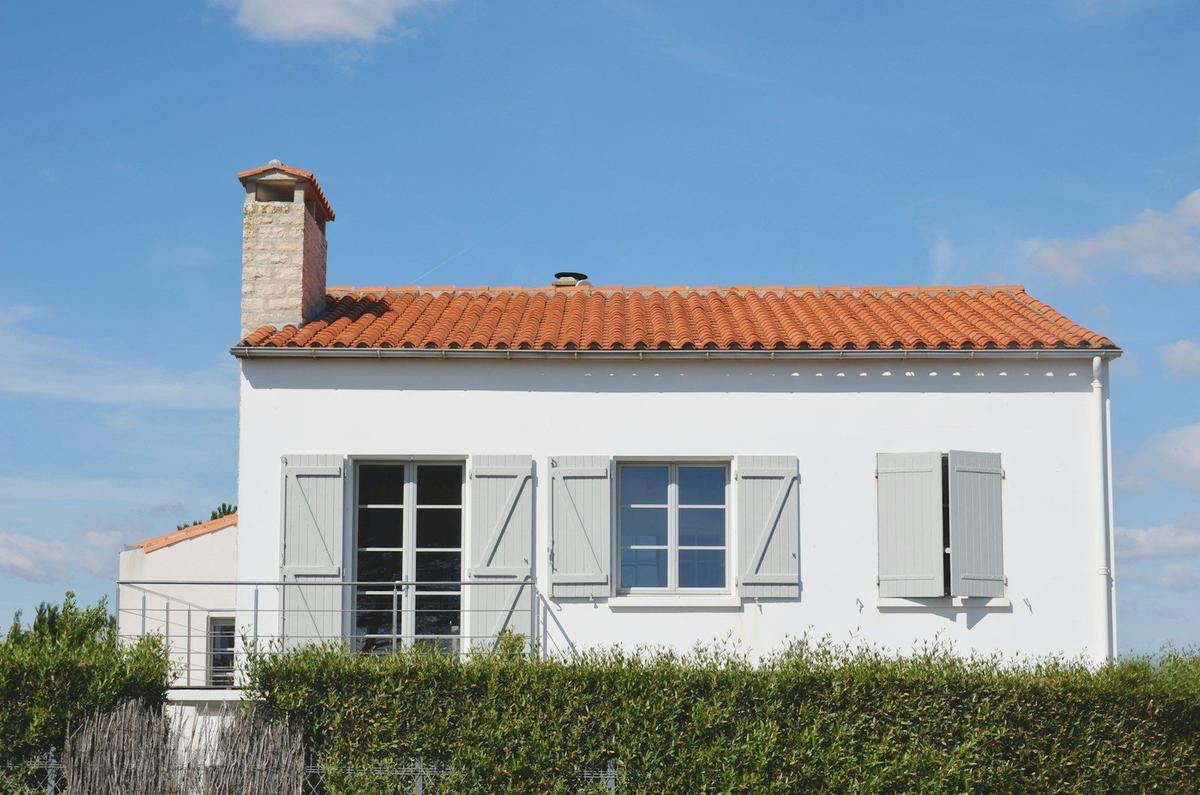
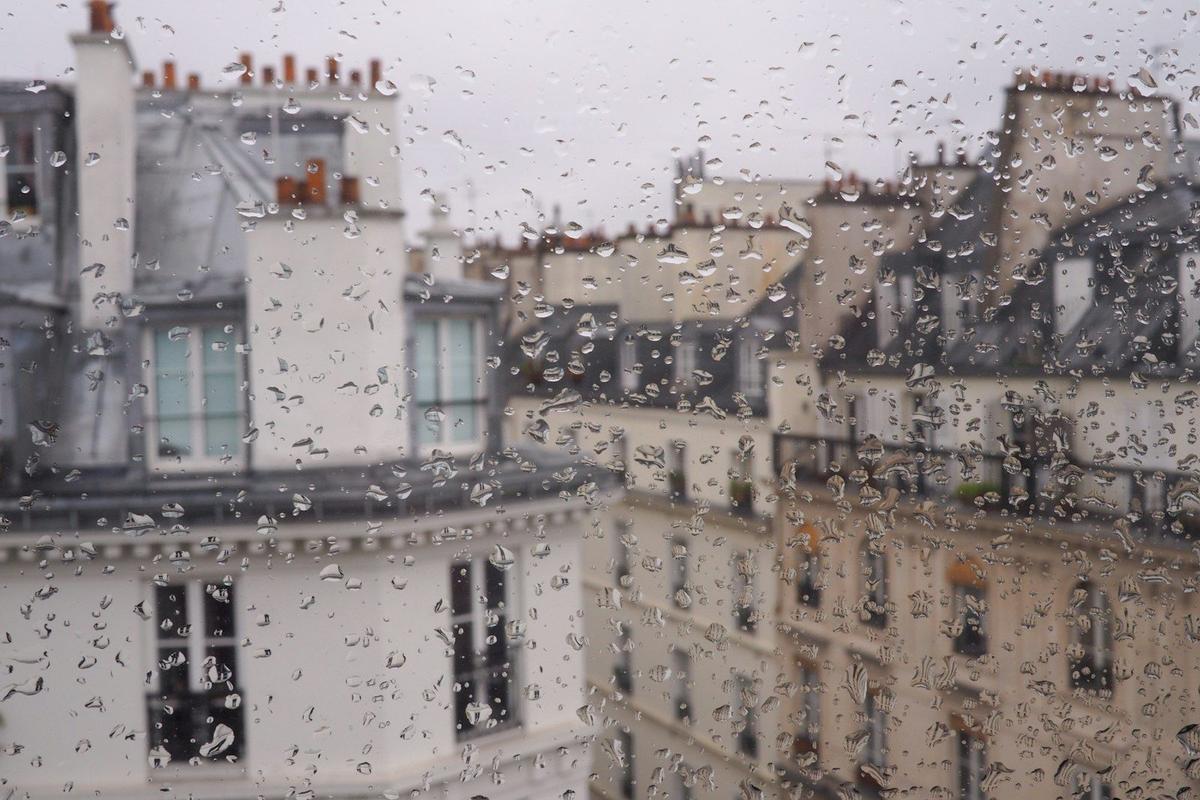
Every autumn, the same stories repeat for French homeowners: exterior paint blistering under a window, a greenish stain spreading near a gutter, render peeling at one precise spot. In most cases, the culprit isn't the paint itself, but a poorly maintained water drainage system. Before thinking about redoing a facade, it's worth looking at what's happening above and around it.
Why poorly drained water damages paint prematurely
The degradation mechanism
A gutter obstructed by leaves or moss eventually overflows. Escaping water trickles down the facade and eventually seeps into the upper walls1, long before reaching the attic. This repeated trickling locally saturates the render and sets the stage for paint blistering and flaking that appear months later.
Priority areas to monitor
Certain points on the facade are more exposed than others to damage from poor drainage:
- Window sills and their joints, often responsible for persistent vertical streaks
- Connections between gutter and downpipe, where leaks start quietly
- The foot of the wall, which accumulates water if the ground isn't sloped outward
- Areas under the roof, on the upper part of the facade, where roof-wall sealing can degrade over time
This link between uncontrolled water and visible degradation also connects to the signs to spot before cold weather arrives, as discussed in our article on damaged facades and signs to spot before winter2.
Gutter maintenance: a simple gesture not to neglect
A frequency to respect
Professionals agree on a precise rhythm. Effective maintenance relies on two inspections per year, in spring and autumn, after storms or leaf fall3. This simple gesture is often postponed year after year until damage becomes visible.
What to check concretely
A proper inspection of gutters and downpipes includes several steps:
- Remove accumulated leaves, moss and debris
- Check the slope and fixings to ensure proper drainage
- Check the connections between gutter and downpipe
- Look for signs of rust or holes in metal gutters
A leaking or overflowing gutter is never an isolated problem. It almost always triggers a cascade of degradation in the render and paint directly below.
Facade, gutters and paint: a whole to treat together
Why handling the two projects separately often costs more
Repainting a facade without checking the condition of water drainage is like treating a symptom without addressing the cause. If a gutter keeps overflowing after the work, the same stains will reappear in a few seasons. Before getting a painting quote, it's useful to mention to the professional the condition of the gutters, downpipes and window sills.
Comparison of common interventions
| Intervention | Recommended frequency | Main objective |
|---|---|---|
| Gutter cleaning | 2 times per year (spring, autumn) | Prevent overflow and infiltration |
| Downpipe inspection | Once per year | Check drainage and connections |
| Facade cleaning | Every 3 to 10 years depending on exposure | Limit moss and dirt buildup |
| Facade repainting | Every 8 to 15 years depending on climate and finish | Restore waterproofing and appearance |
This table illustrates a simple reality: water drainage maintenance is the least expensive and most frequent gesture, but it's also what determines the lifespan of everything else.
What to do practically before winter
Before the first sustained autumn rains, a few checks can prevent unpleasant surprises in spring:
- Inspect gutters in dry weather, ideally after leaf fall
- Test drainage with a garden hose to locate blockage points
- Observe the facade under window sills and coping stones for vertical streaks
- Note areas where render or paint is starting to blister, even slightly
If moisture traces or blistering are already visible, it's better to have the situation assessed before winter rather than wait. On our platform, each facade painting quote calculated per m² remains preliminary, as two walls of the same area can present very different conditions (cracks, residual moisture, weakened render). The final price can only be confirmed after a real assessment of the surfaces, whether via photos and videos or during an on-site visit - both methods are equivalent. This is why photos and videos of affected areas, including those marked by water stains, are always requested before finalizing a quote, to avoid surprises during the work.
Frequently Asked Questions
Most professionals recommend two cleanings per year, one in spring and one in autumn after leaf fall. In heavily wooded areas, an additional check after a storm can be useful.
The most common signs are dark vertical streaks under window sills, localized paint blistering or areas of moss concentrated near downpipes. These indicators usually appear before any visible cracks.
It's preferable to ensure water drainage is working correctly before undertaking a facade repaint. Otherwise, the same damage risks reappearing quickly in the same spot.
A professional will typically observe the entire facade, including areas near water drainage, before proposing a price. This is why photos or a site visit helps refine the initial estimate.
A permanent streak or a stain that gradually spreads under a gutter or window sill is often the first signal. It usually indicates a leak, insufficient slope or a faulty joint that needs prompt correction.

Ready to paint?
Get free quotes from verified local painters in minutes. No commitment.
Sources
External sources open in a new tab.